Beyond Election Day: How Business Leaders Can Build Trust and Civility
The 2026 midterm elections may have produced relatively clear results, but whether that clarity will ease political polarization and workplace tensions remains an open question.
Duke events to inform today’s and tomorrow’s business leaders
The 2026 midterm elections may have produced relatively clear results, but whether that clarity will ease political polarization and workplace tensions remains an open question.

HR and communications experts discuss how companies can prepare for workplace tensions, changing government policies and the challenges of maintaining employee trust.

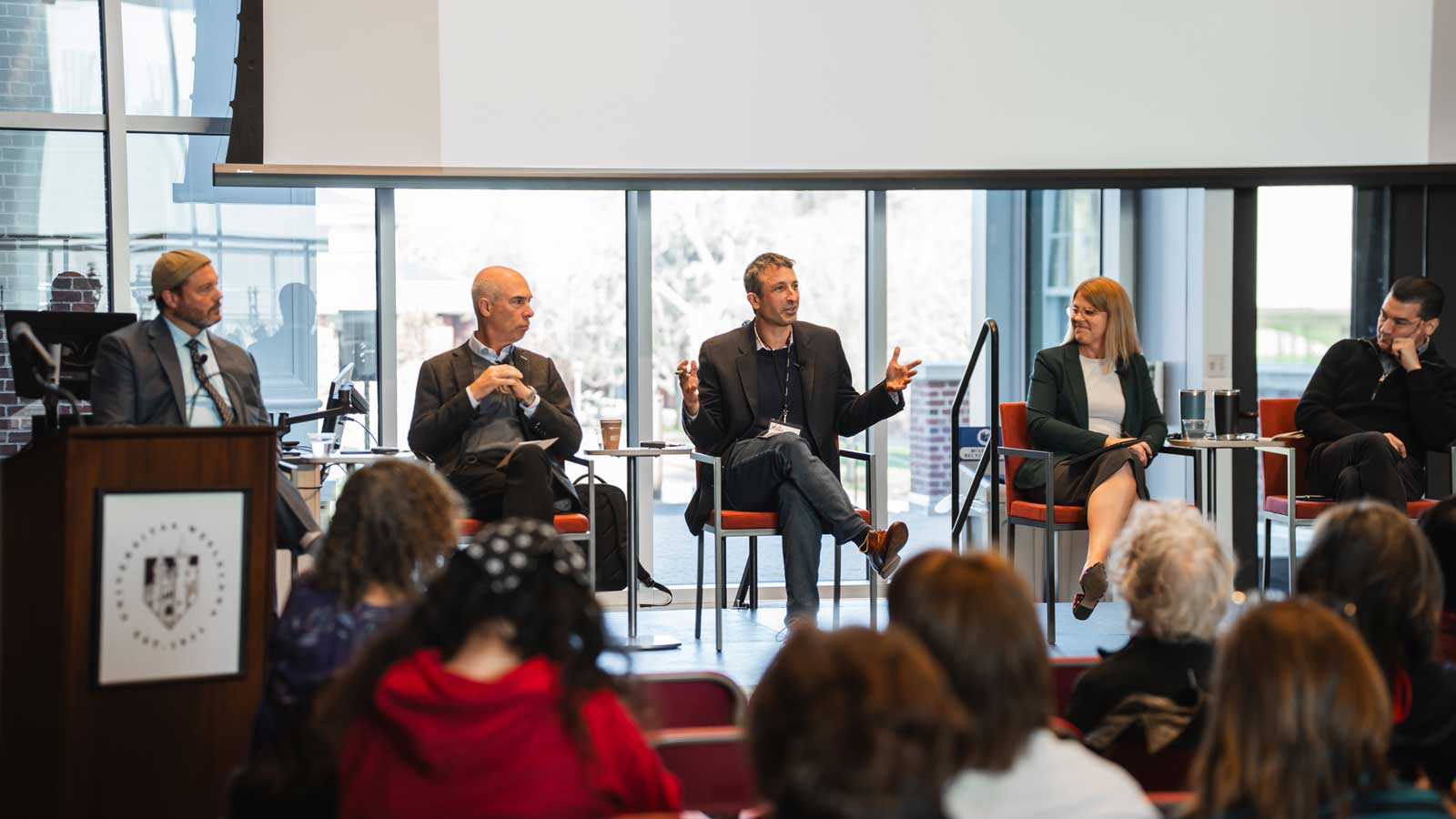
The Dialogue Project recently led a session at the Page Society’s annual conference focused on the impact a polarized society has on business, and what some business leaders today are doing about that.
In a rare reversal of roles, on June 2nd three veteran journalists turned the tables to share what they’re hearing from the marketplace about how corporate America is navigating today’s polarized environment.

At the New Ideas competition, hosted by Duke University’s Fuqua School of Business in partnership with The Dialogue Project, ten undergraduate students recently showcased their innovative solutions for reducing polarization and strengthening civil discourse.
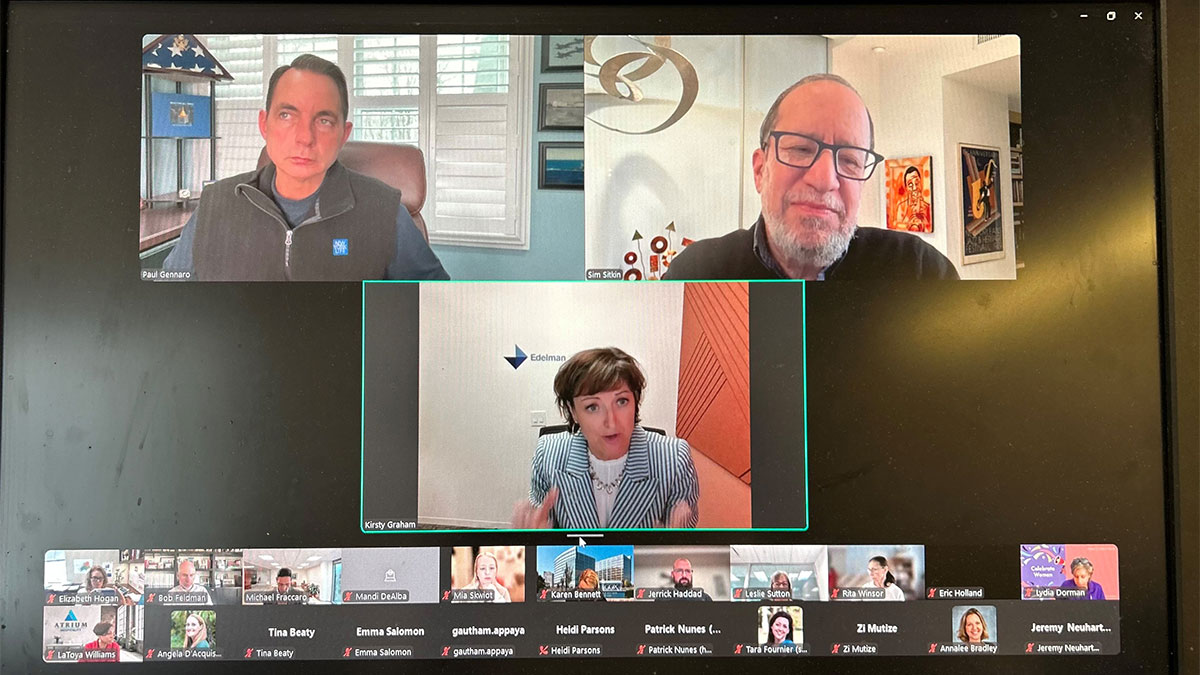
As polarization continues to impact organizations, more than 50 senior executives gathered virtually for the March session of The Civility Call to explore one of polarization’s most troubling consequences: the erosion of trust across institutions and workplaces.

Corporate leaders must navigate a rapidly changing policy landscape around diversity initiatives while staying true to their core values, according to experts at the February Dialogue Project Civility Call hosted by Duke University’s Fuqua School of Business.

With a new administration in office, nearly 100 senior HR and communications executives gathered virtually for the January session of Duke University’s Dialogue Project to explore how companies can maintain civil discourse during politically charged times.
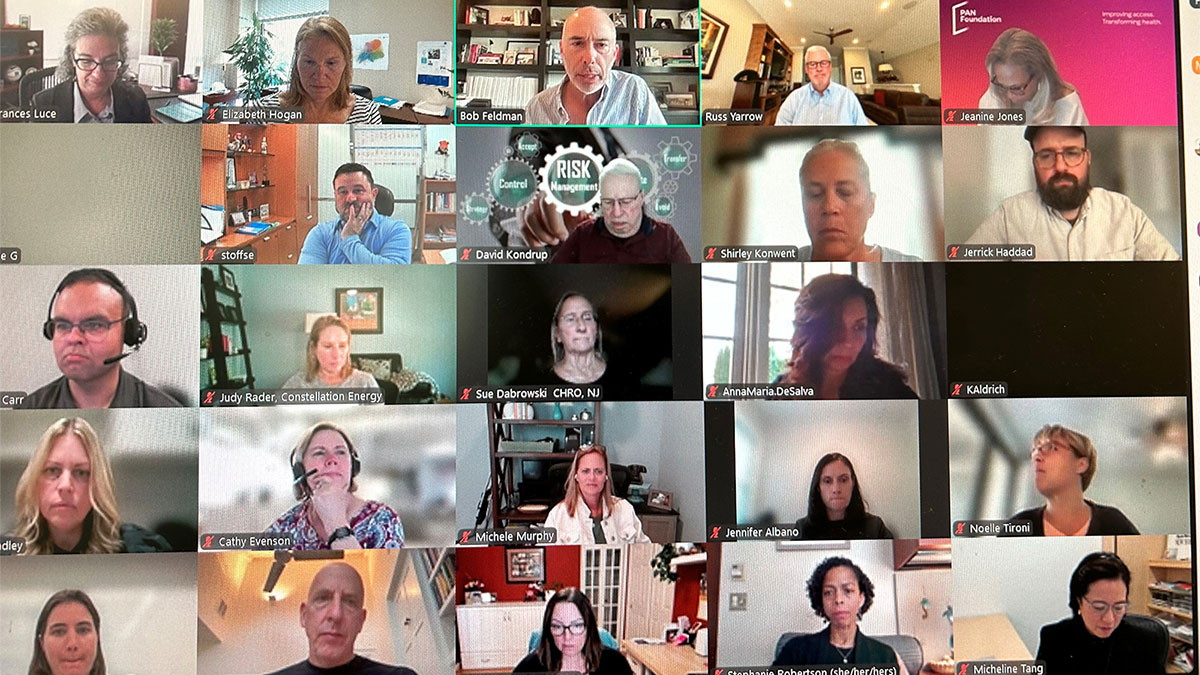
As businesses brace for potential workplace tensions surrounding the upcoming presidential election, more than 150 senior HR and communications executives gathered virtually for the October session of Duke University’s Dialogue Project to workshop strategies through an innovative case study approach.
As the 2024 U.S. presidential election approaches, business leaders are grappling with how to navigate potential tensions in the workplace.
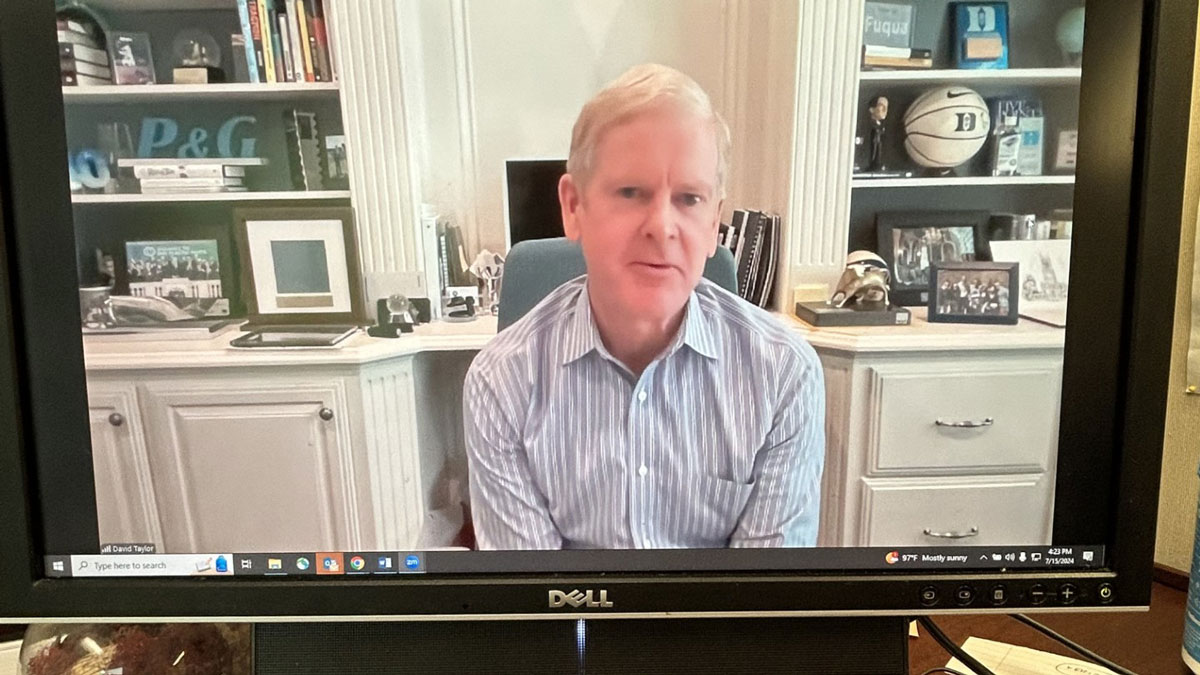
As the 2024 U.S. presidential election approaches, business leaders find themselves in an increasingly precarious position.
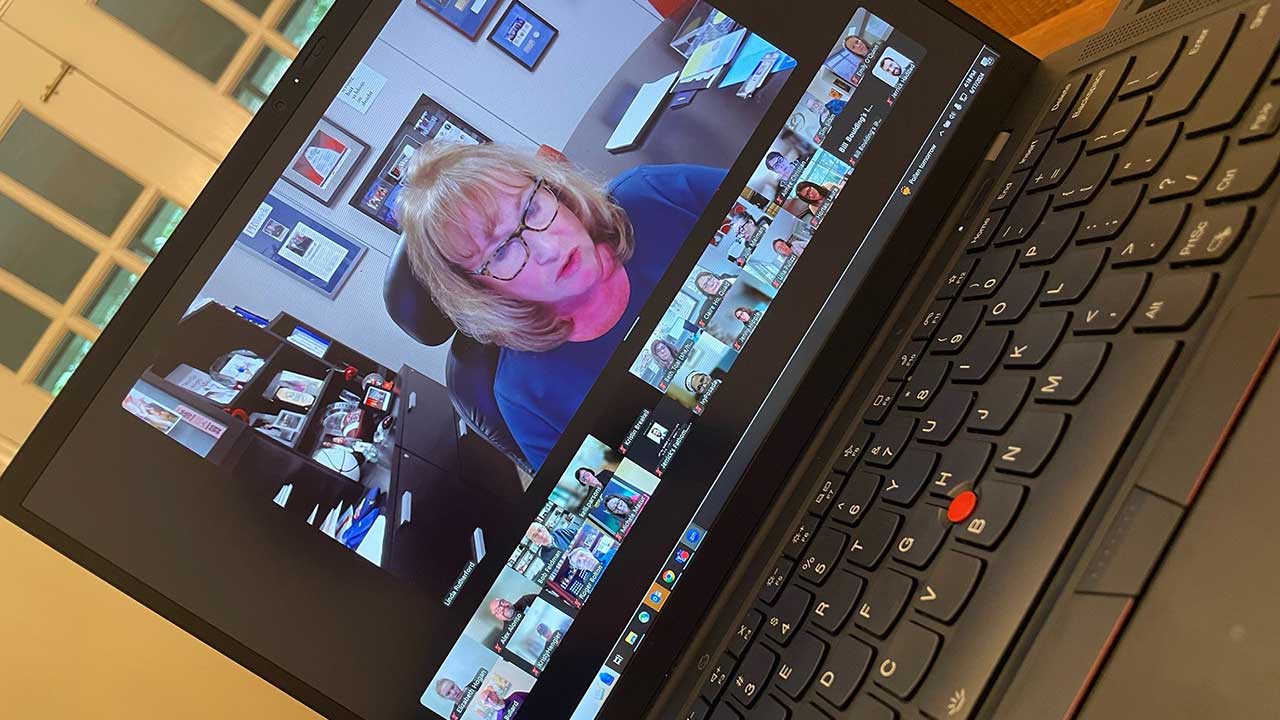
As the nation becomes increasingly anxious heading into the 2024 election season, companies are confronting new challenges in how to guide employees’ interactions with external stakeholders like customers, vendors and business partners.
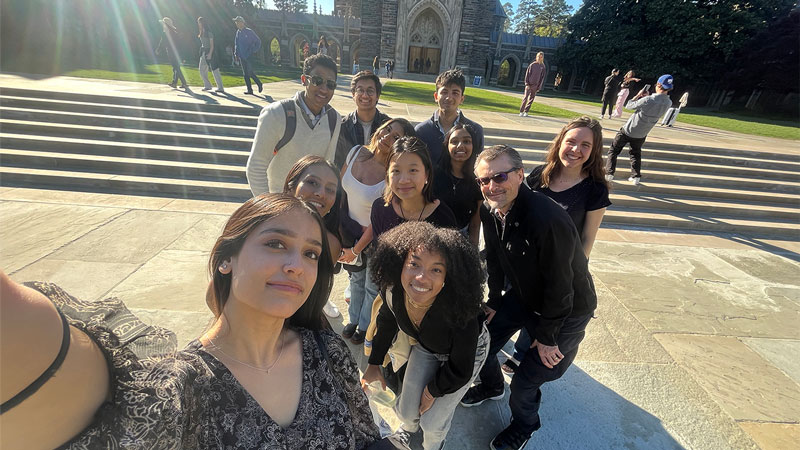
Sophomore Zining Chen worked for months preparing for this moment on her campus at Carnegie Mellon. Now, she sat in front of a group of business leaders at Duke University’s Fuqua School of Business, explaining her business plan for how to use artificial intelligence to better train machine learning models to prevent gender bias in algorithms.
The threat of disruptive employee behavior and even workplace violence is a major C-suite concern during this political campaign year.
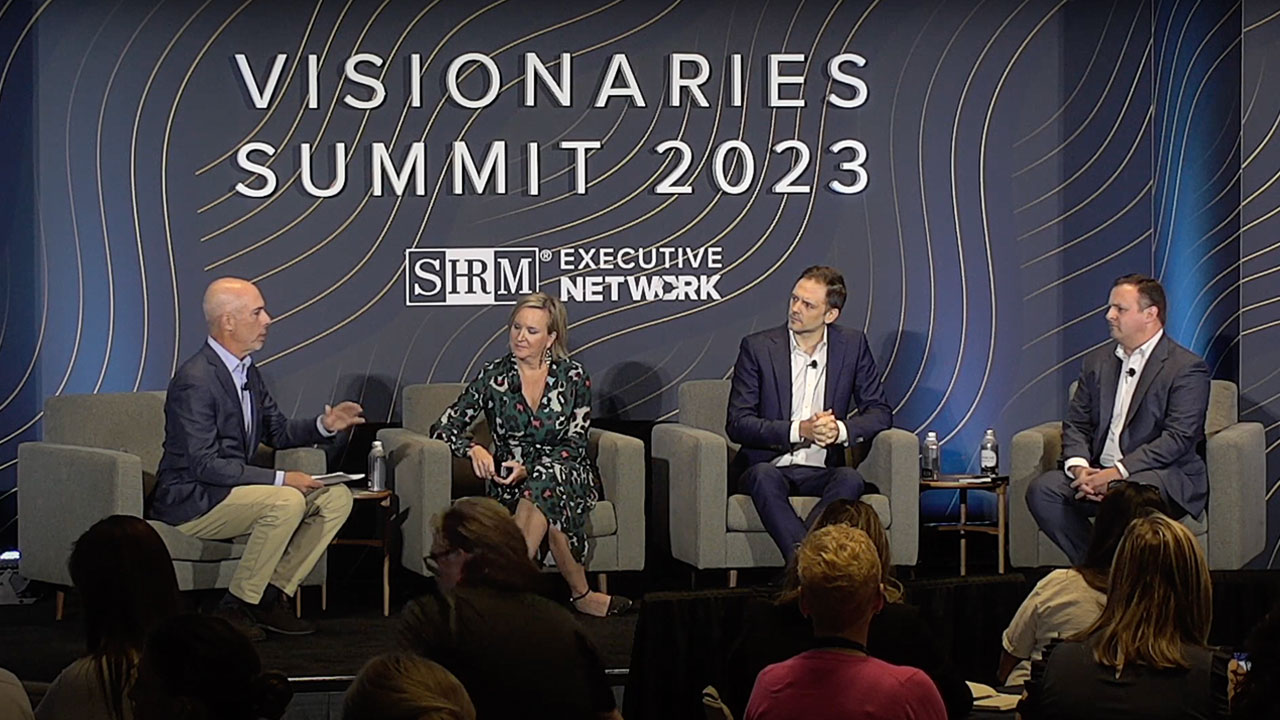
To tackle the problems of a highly polarized society, which virtually all corporate executives agree is not helpful to a productive business environment, business must do more to be part of the solution.
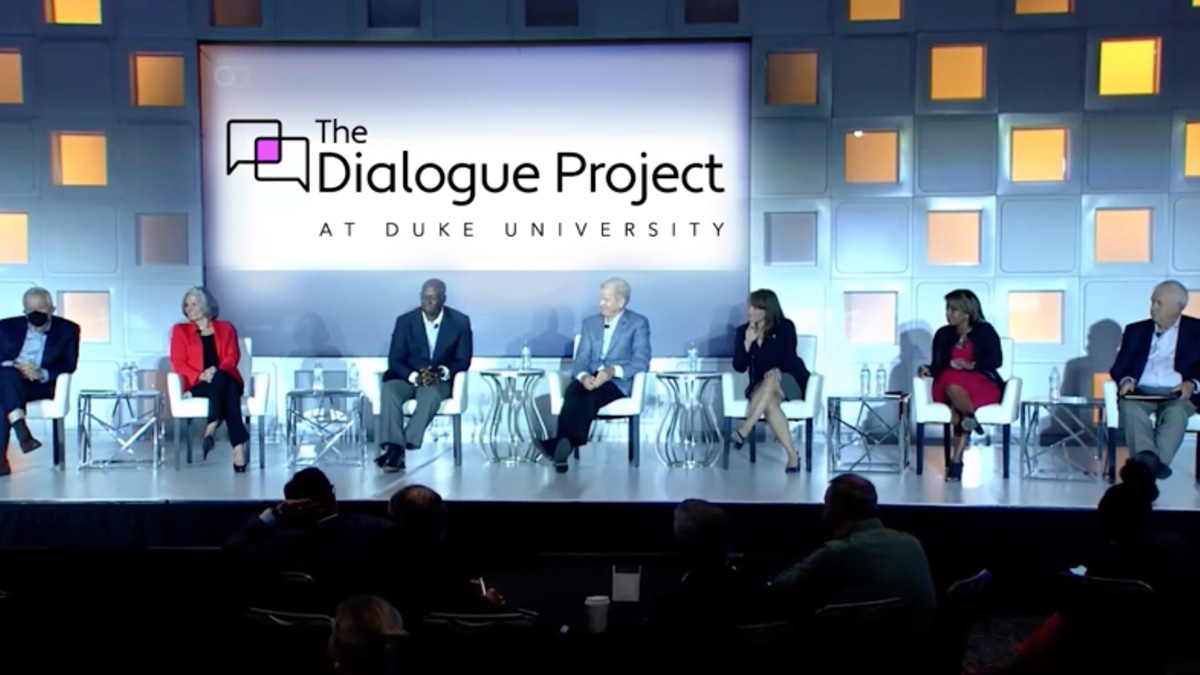
The Dialogue Project recently staged a crisis simulation exercise at the annual conference of the Page Society, the global association of chief corporate affairs officers. Using a hypothetical but highly realistic event, and with the participation of some of the world’s most admired leaders from business, government and journalism, the session explored how a multinational organization must manage a range of stakeholder demands as it confronts a crisis that combines a global public health issue with the politicization that unfortunately accompanies it.
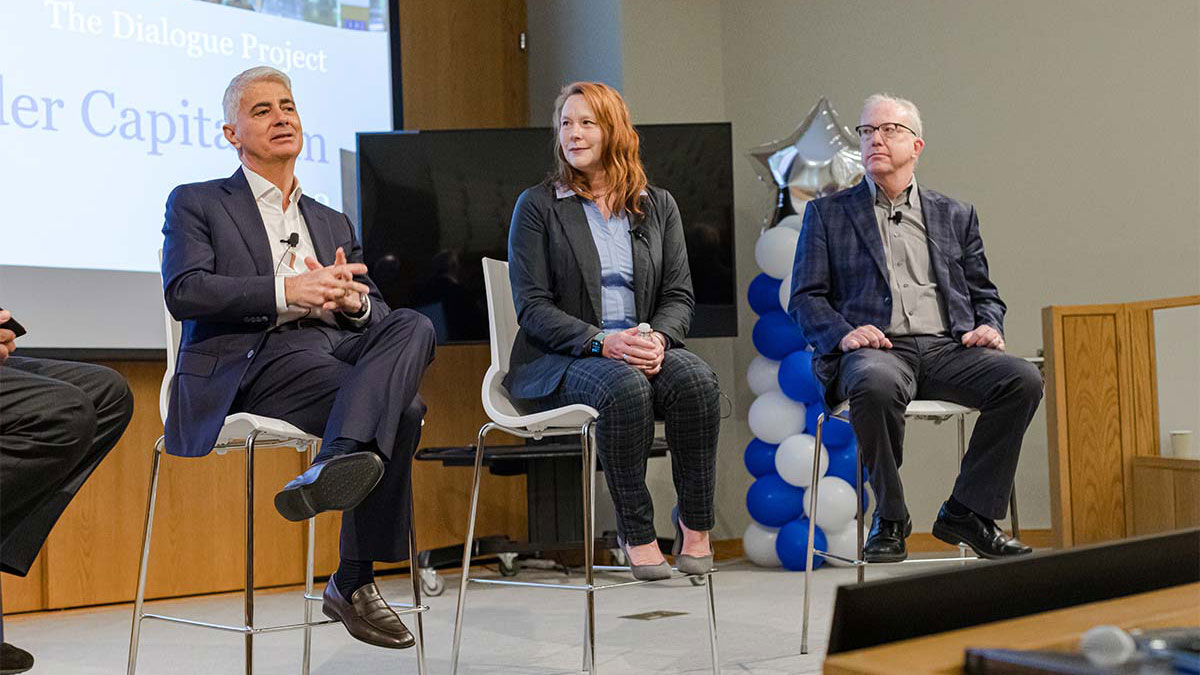
This spring, The Dialogue Project, a program inside the Fuqua School of Business that explores what role business can play to help reduce polarization in our society, hosted a discussion as part of the school’s alumni reunion weekend, in which …

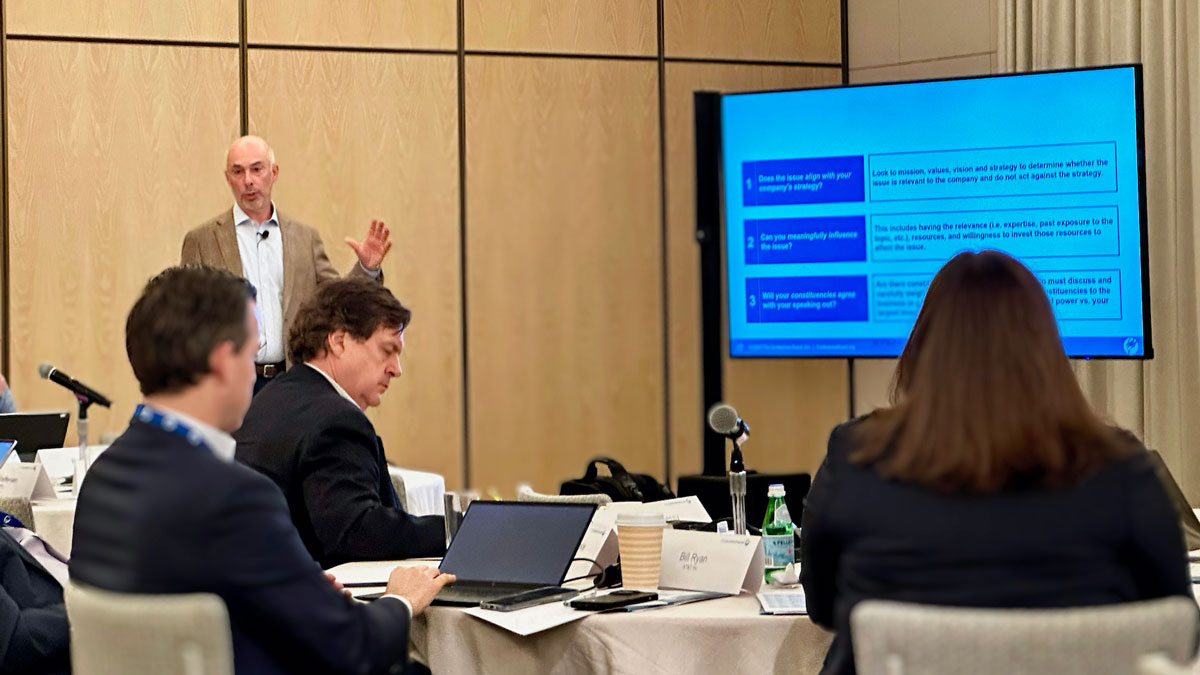
Companies and researchers outline frameworks for speaking out on societal issues